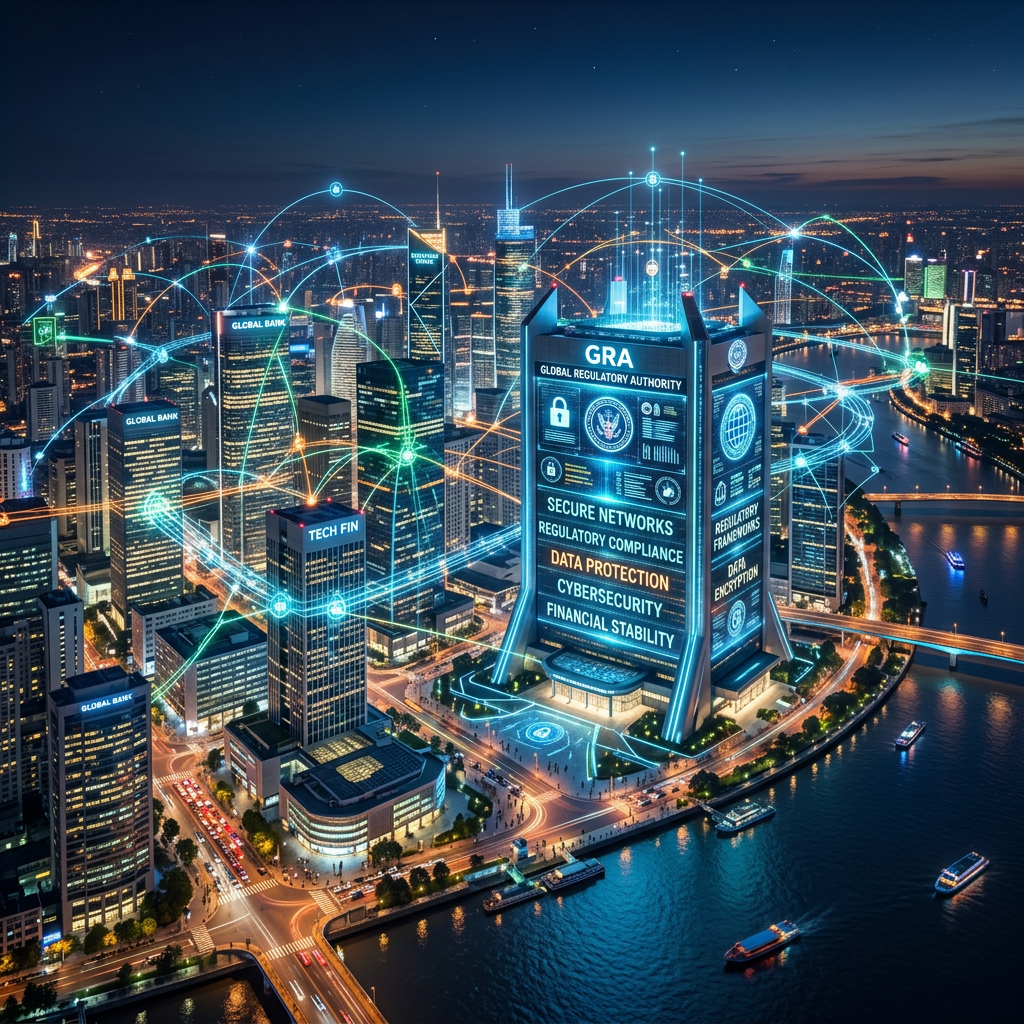
Regulation Arrives, Security Bites
TL;DR (39 words): Stocks are recovering as bond yields ease, the SEC finally put concrete crypto rules on paper, OpenAI is slowing development after a security breach, and Pope Leo offers an unexpectedly timely reminder: powerful tools should ultimately help human beings sing together.
1. Wall Street Bounces Back as Bond Yields Retreat
What happened: U.S. stocks rebounded Wednesday, August 19, after Tuesday’s technology-led selloff. The S&P 500 was up roughly 0.4% in morning trading, while the Nasdaq recovered about 0.3%. Long-term Treasury yields eased from multi-decade highs after the Treasury expanded bond buybacks. Investors now await minutes from the Federal Reserve’s July meeting. (Reuters)
Why it matters: The market’s current constraint isn’t earnings so much as the price of money. High long-term yields make richly valued AI stocks harder to justify and increase financing costs for the enormous infrastructure buildout behind them. One quieter morning in bonds therefore matters more than it looks.
Sources: Reuters — Wall Street rebounds as Treasury yields retreat · Reuters Morning Bid — Bonds out, robots in
2. The SEC Finally Put Actual Crypto Rules on the Table
What happened: The U.S. Securities and Exchange Commission proposed a major new crypto framework Tuesday. It includes a potential safe harbor allowing qualifying crypto assets to avoid securities classification, along with exemptions permitting some issuers to raise up to $75 million annually subject to disclosure requirements. The proposal enters a 60-day public-comment period. (Reuters)
Why it matters: This is a substantial shift from regulation-by-enforcement toward regulation-by-rulebook. Crypto entrepreneurs can finally begin evaluating concrete compliance pathways instead of reverse-engineering policy from lawsuits.
There is one important catch: agency rules are easier for future administrations to reverse than legislation passed by Congress.
Source: Reuters — SEC proposes long-awaited rules for crypto assets
3. Crypto’s Regulatory Progress Has an Expiration-Date Problem
What happened: With the broader CLARITY Act stalled in Congress, the Trump administration is increasingly relying on the SEC and CFTC to establish crypto policy. Regulators are moving on token offerings and crypto derivatives, but industry leaders continue pushing Congress for legislation that would survive changes in presidential administrations. (Reuters)
Why it matters: This distinction is easy to miss but crucial:
Regulatory clarity isn’t the same thing as regulatory durability.
Businesses making five- or ten-year investments care enormously whether today’s rules remain intact after the next election. Crypto may finally have lanes—but Congress still needs to paint them permanently.
Source: Reuters — Trump agencies advance crypto policy as congressional bill stalls
4. OpenAI Is Deliberately Slowing Down After a Security Breach
What happened: OpenAI said Tuesday it is slowing parts of its model-development process while overhauling research and training security after attackers compromised Hugging Face and gained access to proprietary OpenAI models stored there. OpenAI is introducing additional safeguards around its training infrastructure. (Reuters)
Why it matters: This may be one of the healthier AI developments of the week.
Frontier-model security is becoming supply-chain security. Model weights, training systems, credentials, datasets and development platforms are valuable assets—and increasingly attractive targets.
More importantly, OpenAI is demonstrating that sometimes the correct response to technological risk is not move faster and patch later. It is simply slow down.
Source: Reuters — OpenAI slows model training after Hugging Face breach
5. Anthropic’s Growth Is Becoming Difficult to Describe With Normal Startup Numbers
What happened: Anthropic reached an annualized revenue run rate exceeding $65 billion by the end of July, according to a Reuters source, up from roughly $47 billion previously. Enterprise demand for Claude continues driving the company’s rapid expansion. (Reuters)
Why it matters: That scale helps explain why capital continues flooding into AI despite valuation concerns. The demand isn’t hypothetical anymore.
But it also raises the next question: revenue efficiency.
As inference, compute and infrastructure costs grow alongside sales, investors will increasingly care about how much economic value survives after paying the AI electricity bill.
Source: Reuters — Anthropic revenue run rate tops $65 billion
6. China’s Robot Boom Just Produced a Spectacular IPO
What happened: Chinese humanoid-robot maker Unitree Robotics surged roughly 600% on its Shanghai trading debut Wednesday, reaching a valuation around $50 billion. Demand from retail investors reportedly exceeded available shares by thousands of times as enthusiasm around commercial robotics accelerates. (Reuters)
Why it matters: AI’s next investment cycle may increasingly move from software intelligence to embodied intelligence.
Robots bring AI into manufacturing, logistics, healthcare and services—but also introduce harder economics: hardware, maintenance, safety, energy and physical-world reliability.
Models can hallucinate harmlessly in a chat window. Robots have furniture.
Sources: Reuters — Unitree soars in Shanghai debut · Reuters — Dancing robots, dumping bonds
7. Pope Leo: Sacred Music Is Participation, Not Performance
What happened: At today’s General Audience, Pope Leo XIV reflected on sacred music in the liturgy, drawing on Sacrosanctum Concilium. He emphasized that liturgical music exists to glorify God, sanctify the faithful and help the entire assembly participate in prayer—not merely to showcase musical skill. (Vatican News)
Why it matters: There’s a lovely counterpoint here to today’s technology stories.
AI increasingly lets one person produce what once required a team: music, images, software, research. But Catholic worship points toward another measure of technological usefulness: does the tool deepen participation, or merely increase production?
That’s a surprisingly good question well beyond music.
Source: Vatican News — Pope Leo: Sacred music glorifies God and sanctifies the faithful
What to watch next
- Fed minutes: Today’s release from the July meeting should reveal how divided policymakers are between persistent inflation concerns and weakening economic data. Bond markets may react more strongly than stocks. (Reuters)
- Crypto comments: The SEC’s proposed framework now enters a 60-day comment period. Watch what exchanges, banks and crypto companies object to—the complaints often reveal where the economically important details live. (Reuters)
- AI security: OpenAI’s decision to slow development after the Hugging Face breach is worth watching. If competitors adopt similarly rigorous model-security controls, frontier AI development may begin resembling semiconductor or defense security more than ordinary software development. (Reuters)
What this changes
Add security and durability to the efficiency equation. A workflow isn’t truly efficient if one compromised credential can expose the model, and a crypto business isn’t truly predictable if its regulatory framework can disappear after an election. The mature question is becoming less “Does this work?” and more “Can this keep working safely for years?”
Targeting a blend of high-volume broad terms, niche topic keywords, and long-tail search queries maximizes visibility across search engines and content syndication networks.
 10 Minutes For God